
The best Splynx alternative for a South African WISP is the one that fits how you collect money and run your network, not the one with the longest feature list. Realistic options fall into three groups: another full ISP platform, a billing-first system built around MikroTik and RADIUS, or a split stack of separate tools. Centipid Billing sits in the second group, and you can test it on your own subscribers with a 14-day free trial, no card required.
This article does not rank vendors. It gives you a way to decide, using the questions a South African operator actually has to answer before leaving a platform.
Why WISPs look beyond Splynx
Splynx is a capable, widely known platform, and many operators run it happily. People still go looking for alternatives for ordinary reasons:
- Pricing model. Some operators prefer a fee that follows active subscribers or revenue rather than a licence tier.
- Scope. A small or mid-sized WISP may not use a full CRM, inventory and field-service suite and would rather pay for what it uses.
- Local payments. Collecting by EFT, card and debit order is a daily reality in South Africa, and how a platform handles reconciliation matters a great deal.
- Operational fit. If your whole network is MikroTik, you want router provisioning and monitoring that feel native.
None of these makes Splynx a bad choice. They are simply the filters worth applying to every candidate, including ours.
The three kinds of alternative
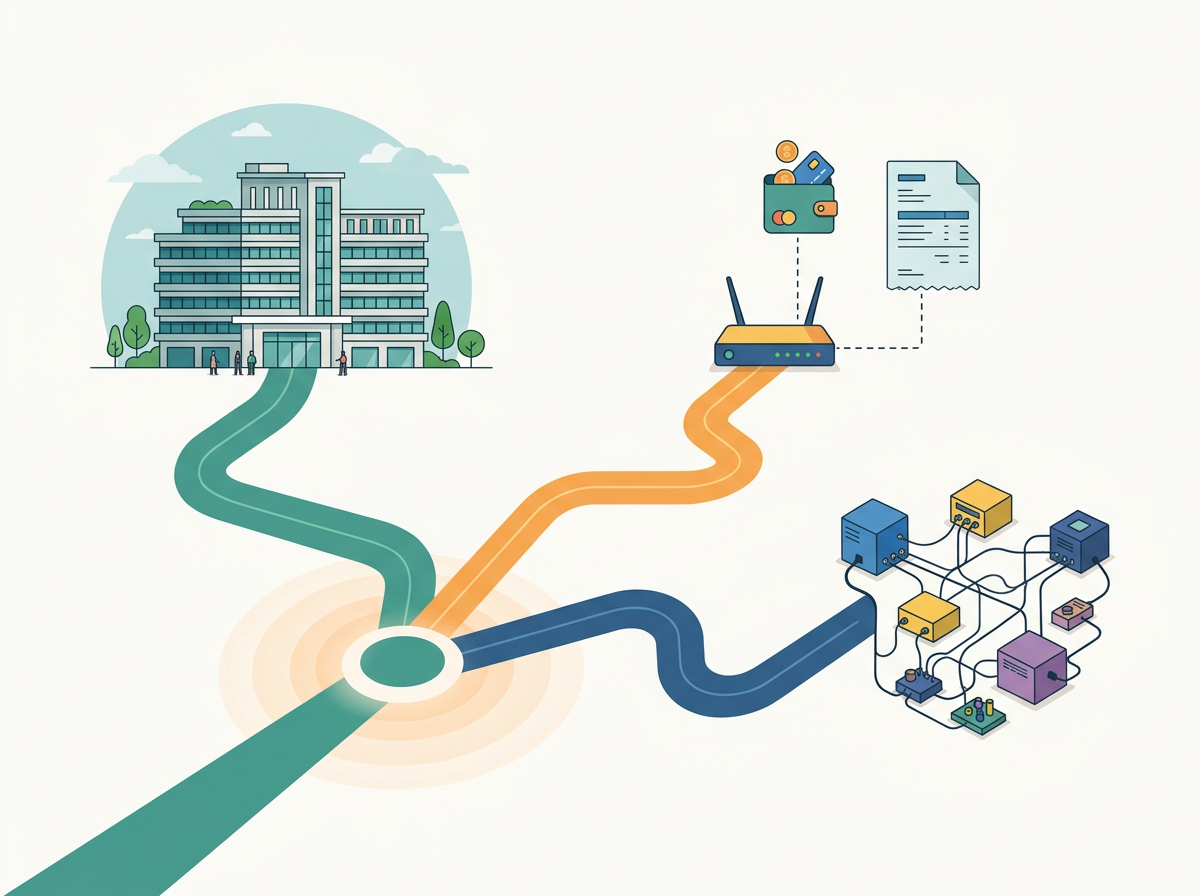
1. Another full ISP platform
These cover CRM, billing, network management, ticketing and sometimes field work in one product. They suit larger operators with several departments. The trade-off is the same one you may already feel: more modules, more configuration, and more cost than a small team needs.
2. A billing-first system built around your routers
These start from subscribers, packages, invoices and payments, then attach RADIUS and router control. For a WISP running MikroTik, this is often the shortest path from "router online" to "customer billed and connected". Centipid Billing is built this way: subscribers, billing, payments, RADIUS, MikroTik management, support and reporting live in one workspace.
3. A split stack
Some operators keep a separate billing tool, a CRM and a network monitor. That can work well at scale, and we cover the trade-offs in when to separate billing, CRM and network management. For a growing WISP, the cost is usually the manual hand-offs between systems.
Criteria that matter for a South African WISP
Payment collection and reconciliation

The most expensive problem in WISP billing is not invoicing; it is matching money to accounts. Ask any candidate:
- How are payments matched: by account reference, phone number or invoice?
- What happens to duplicate receipts and unmatched payments?
- Do cash, bank transfers and installation fees sit in the same ledger as online payments?
- Does a confirmed payment renew and reconnect the subscriber automatically?
Centipid reconciles by account reference, phone number or invoice, merges duplicate receipts, recovers missed gateway callbacks and holds unmatched payments for staff to claim. Cash and bank entries share one ledger. For the mechanics, see payment reconciliation and automated payment collection.
Check honestly which gateways each vendor supports for your market. Centipid's supported channels include cards, Paystack and vouchers alongside mobile money. Review the payment gateways list and confirm your preferred South African method is covered before committing. If it is not, treat that as a hard stop for any vendor.
MikroTik depth
If you run MikroTik, look past the checkbox that says "MikroTik supported". Ask whether the platform can provision a router, manage PPPoE and Hotspot access through RADIUS, show live sessions, back up configurations and give you remote Winbox access without VPN gymnastics. Centipid covers MikroTik provisioning, router monitoring and alerts over SNMP with email, SMS or WhatsApp notifications, router backups and remote Winbox access.
If your network is mixed-vendor or heavily Ubiquiti, weigh that carefully. A MikroTik-centred tool may not be the best fit there.
Pricing that follows your business
Per-seat, per-router and per-site charges punish growth in a WISP, where you add towers and staff before you add much revenue. Compare the unit each vendor charges on, then model your own numbers.
Centipid charges $0.25 per active PPPoE subscriber per month, with suspended and expired accounts free, and 3% of hotspot revenue for hotspot networks. Routers, staff accounts and vouchers are not metered. If you run both, the fees add together. A WISP with 400 active PPPoE subscribers would pay $100 per month on that basis. Remember the rate is in dollars, so factor in exchange rate movement against rand revenue. Full details are on the pricing page.
Centipid also does not bill you automatically: no card is kept on file, and you receive an invoice for the month just past, with a grace period.
Automation of the boring work
The point of switching is fewer manual tasks. Look for recurring invoicing, reminders, dunning, suspension and reconnection that happen without staff touching them. Operators like Fredrick of Wifi Mtaani, who has used Centipid for more than three years, describe it as billing, reconnections and reminders that "simply happen without us." That is one operator's account, so verify it against your own workflow during a trial.
Migration effort
Switching platforms is where projects stall. Ask how subscribers are imported, whether the import validates data, and what happens to active sessions during cut-over. Centipid supports subscriber imports with validation, and the Enterprise plan includes data migration from your current system. Pilot with one tower or one package group first.
How to run a fair comparison
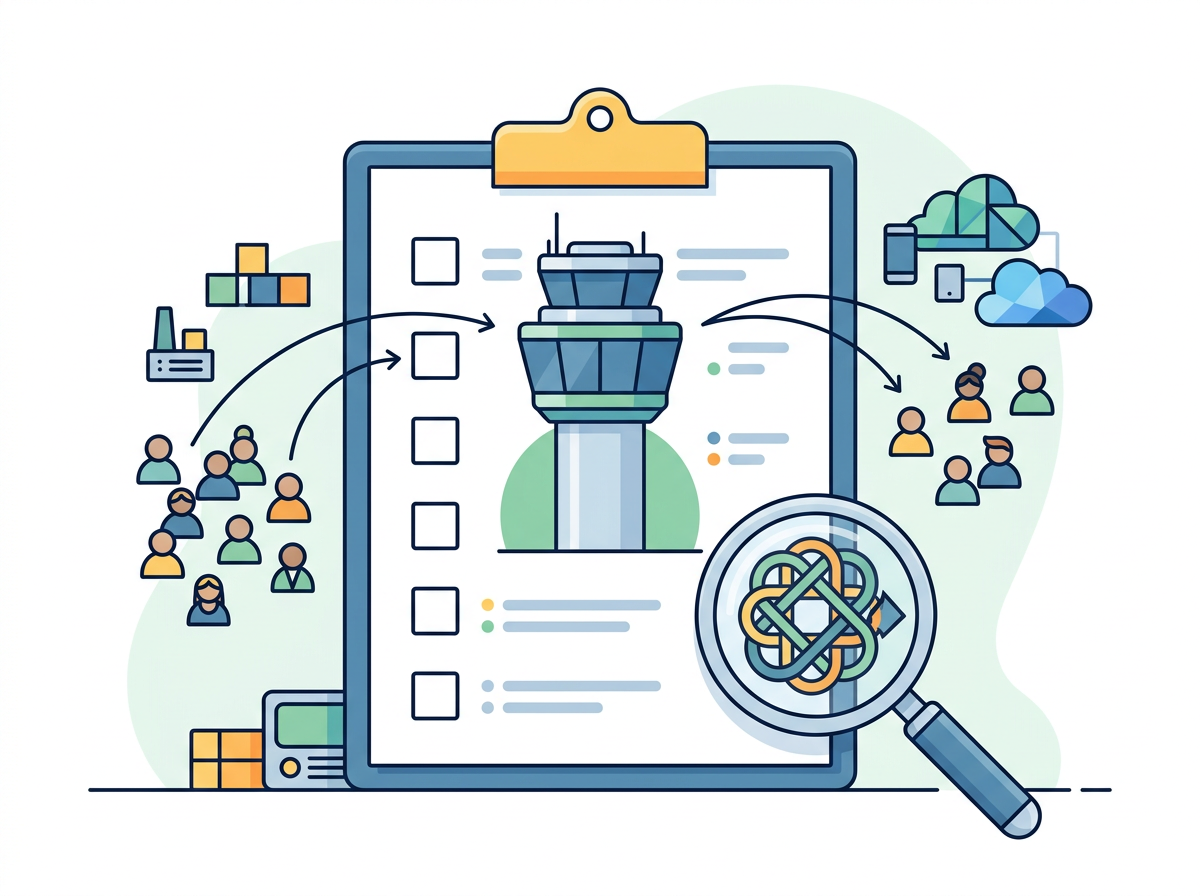
- List your must-haves. Payment methods, router types, number of active subscribers, staff roles and reporting needs.
- Export your current data. A real subscriber list reveals import problems that demos hide.
- Trial with real subscribers. A demo with sample data proves little. Centipid's 14-day trial gives you the whole product, so you can put a real segment on it.
- Test the ugly cases. Run a duplicate payment, a payment with a wrong reference, a suspended account that pays late and a router that goes offline.
- Model twelve months of cost. Include growth, currency and any add-on modules.
- Check support. Ask who answers when a router stops authenticating at night.
For a longer evaluation framework, see our guide to choosing billing software for a wireless ISP, and our earlier Splynx alternative for MikroTik ISPs which looks at the same decision from another market. Our South Africa page summarises how Centipid fits local operators.
When Splynx is still the right answer
Stay put if you rely on deep modules you actually use, such as extensive CRM workflows or complex multi-vendor network integrations, and your current costs and support are fine. Switching for its own sake is a poor reason. A good alternative should remove specific pain you can name.
When a billing-first alternative makes sense
Consider a system like Centipid if most of your pain is in collections, reconnections and router upkeep, if your network is MikroTik, and if you want pricing tied to active subscribers rather than devices or seats. It is a poor fit if you need features it does not list, so check the feature overview against your requirements.
FAQ
What is the best Splynx alternative for a WISP in South Africa?
There is no single best option. Choose by payment methods supported, router compatibility, pricing model and migration effort. For MikroTik-based WISPs that want billing, RADIUS and router management in one place, Centipid Billing is worth testing.
Can I try Centipid before moving my subscribers?
Yes. There is a 14-day free trial of the full product with no card required, so you can run real subscribers before you are charged anything.
How does Centipid charge a PPPoE WISP?
It charges $0.25 per subscriber who was active during the month. Suspended and expired accounts are not charged, and routers, staff accounts and vouchers are unmetered.
Does Centipid charge my card automatically?
No. It sends an invoice for the month just past, with a grace period, and you pay it. No card is kept on file.
Will migration disrupt my customers?
It does not have to. Import subscribers with validation, pilot a small group first, and cut over tower by tower. Enterprise customers get data migration support.
Do I need to confirm local payment support?
Always. Check the vendor's gateway list against the methods your South African customers actually use before you commit.